
Kecelakaan Kereta Terulang di Blitar, DPRD Jatim Sebut Perlintasan Sebidang Masih Ranjau
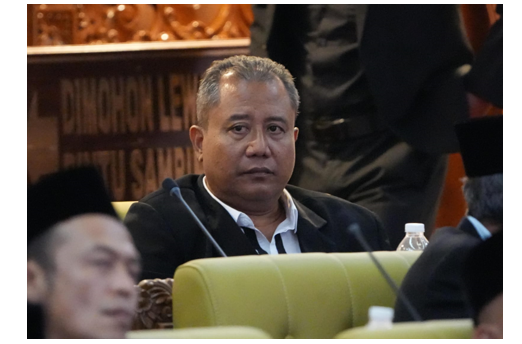
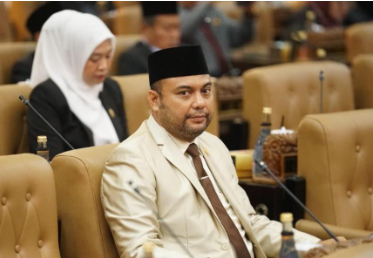
Anggota Komisi D DPRD Jawa Timur, Siadi, menilai kecelakaan kereta api di perlintasan sebidang Kota Blitar menjadi sinyal perlunya penguatan sistem keselamatan perkeretaapian dan percepatan pembangunan jalur tidak sebidang.


DPRD Jatim Nilai Perlintasan Sebidang Masih Jadi Titik Rawan Kecelakaan
SURABAYA — Rentetan kecelakaan kereta api kembali terjadi di Jawa Timur. Kali ini, insiden terjadi di perlintasan sebidang Kota Blitar pada Selasa (28/04/2026) malam, ketika truk pengangkut pasir tertemper KA 408 Commuterline Dhoho relasi Surabaya–Malang.
Meski tidak menimbulkan korban jiwa, peristiwa tersebut menyita perhatian publik karena terjadi hanya berselang sekitar 24 jam setelah kecelakaan besar yang melibatkan KA Argo Bromo Anggrek dan KRL Commuter Line di Bekasi Timur.
Anggota Komisi D DPRD Jawa Timur, Siadi, menilai kecelakaan beruntun tersebut menjadi sinyal bahaya yang tidak boleh diabaikan.
“Ini bukan lagi kejadian biasa. Perlintasan sebidang masih menjadi titik rawan yang harus segera ditangani secara serius,” tegas Siadi, Rabu (29/04/2026).
Menurut politikus Partai Golkar itu, kecelakaan di perlintasan sebidang umumnya dipicu kombinasi berbagai faktor, mulai dari kelalaian pengguna jalan, keterbatasan sistem pengamanan, hingga lemahnya pengawasan di lapangan.
Ia menegaskan perlunya langkah konkret dan terukur dari pemerintah daerah, operator kereta api, serta seluruh pemangku kepentingan untuk menekan potensi kecelakaan serupa.
“Keselamatan harus menjadi prioritas. Tidak cukup hanya imbauan, tetapi harus ada penguatan sistem, baik infrastruktur maupun edukasi masyarakat,” ujarnya.
Siadi Tekankan Pembangunan Berorientasi Keselamatan Transportasi
Siadi mendorong percepatan pembangunan perlintasan tidak sebidang seperti flyover dan underpass, khususnya di titik dengan lalu lintas padat dan tingkat risiko kecelakaan tinggi.
Selain itu, ia menekankan pentingnya modernisasi sistem pengamanan perlintasan kereta api, mulai dari optimalisasi palang pintu otomatis hingga penerapan sistem peringatan dini.
“Kalau dibiarkan, kejadian seperti ini akan terus berulang. Ini harus menjadi perhatian serius semua pihak,” katanya.
Menurutnya, peningkatan keselamatan transportasi kereta api harus menjadi agenda prioritas pemerintah daerah bersama pemangku kepentingan sektor transportasi.
Baca Selengkapnya:
-
Catatan Dewanti DPRD Jatim terhadap Pemudik Kereta Api di Malang Raya pada Lebaran 2026
-
Komisi D DPRD Jatim Mewanti Keselamatan Pemudik Mengingat Masih Masifnya Perlintasan Kereta Api Tak Berpalang Maupun Tak Berpenjaga
-
Begini Uneg-Uneg Warga Bondowoso terkait Jalur KA Jember-Bondowoso pada Reses dr. Agung
Pembangunan Infrastruktur bersama dengan Pembangunan SDM
Selain pembangunan infrastruktur, Siadi juga mengingatkan masyarakat agar lebih disiplin saat melintas di perlintasan kereta api dengan mematuhi rambu dan sinyal yang tersedia.
Ia menilai edukasi keselamatan lalu lintas dan transportasi publik harus terus diperkuat untuk mengurangi potensi kecelakaan di kawasan perlintasan sebidang.
Berita Terkait


Agenda DPRD Provinsi Jawa Timur

Rapat Paripurna Istimewa Tahun 2015
Rabu, 01 April 2015 Ruang Paripurna DPRD Provinsi Jawa Timur
Paripurna Maret 2015
Senin, 02 Maret 2015 Ruang Paripurna DPRD Provinsi Jawa TimurRapat Paripurna April 2015
Rabu, 01 April 2015 Ruang Paripurna DPRD Provinsi Jawa TimurRapat Paripurna Mei 2015
Jumat, 01 Mei 2015 Ruang Paripurna DPRD Provinsi Jawa Timur