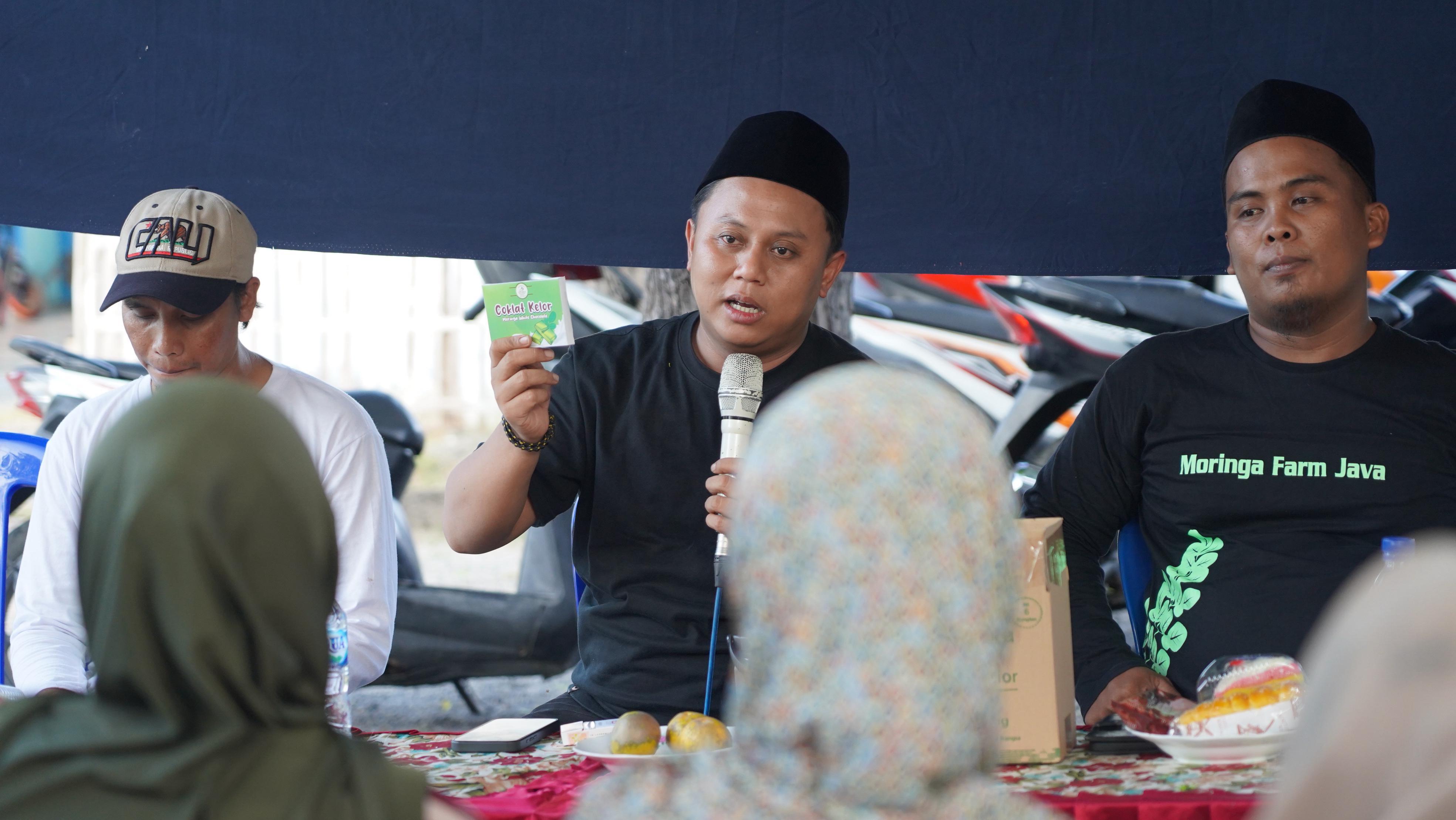

The East Java DPRD Urges Provincial Government to Prepare Strategy for 2026 Budget Efficiency
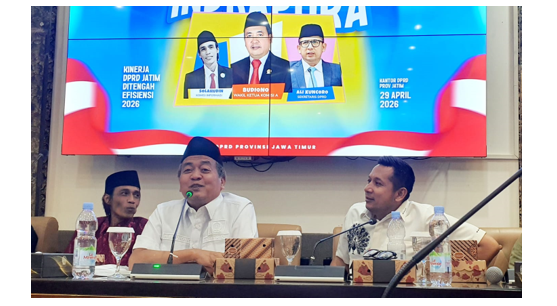
Member of Commission C of the East Java DPRD, Multazamudz Dzikri, highlighted the central government's plan to reimplement budget efficiency in 2026.


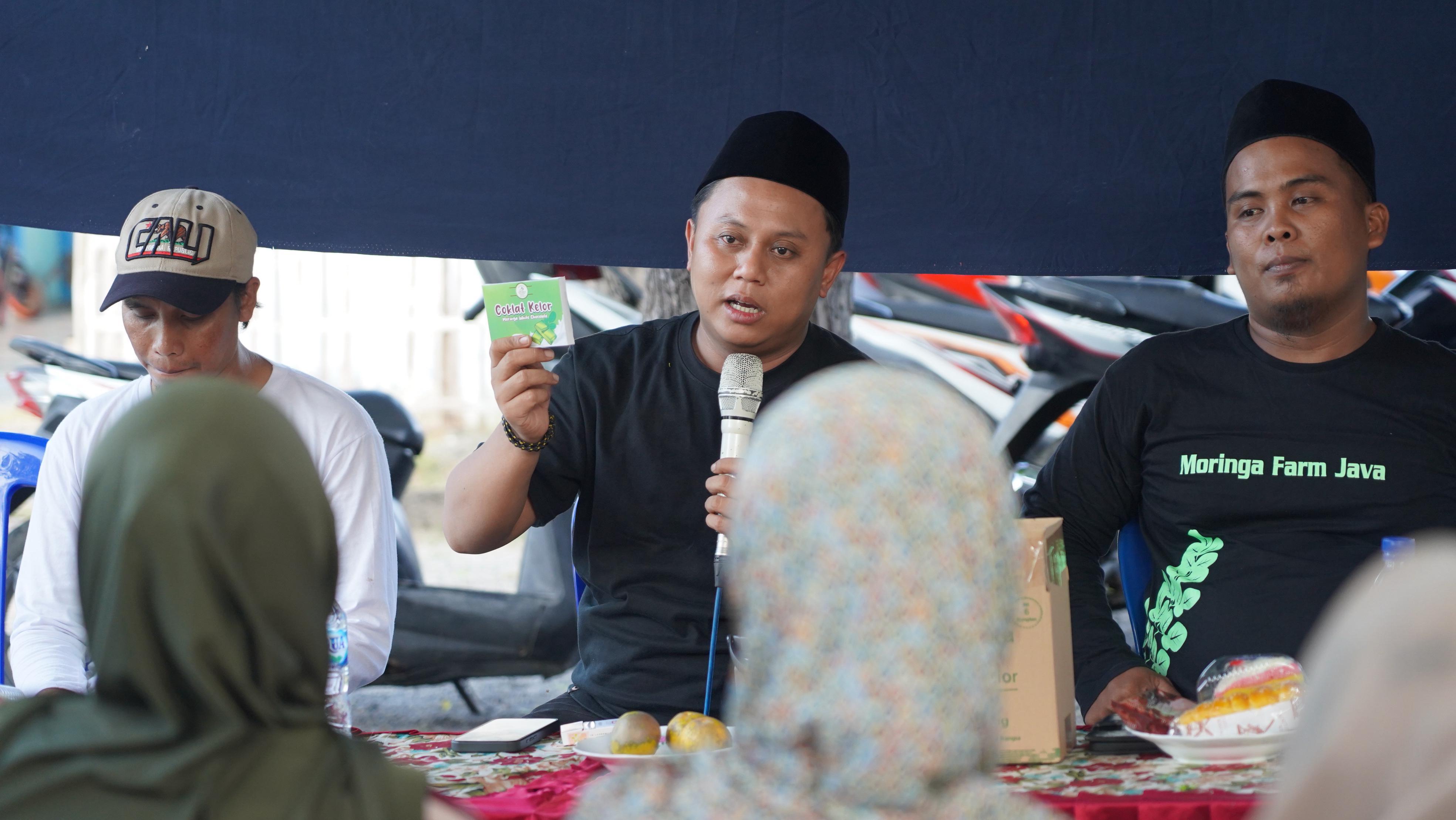
Member of Commission C of the East Java DPRD, Multazamudz Dzikri, highlighted the central government's plan to reimplement budget efficiency in 2026.
President Prabowo Subianto previously stated that the efficiency measures were expected to be even stricter than in 2025.
According to Multazamudz, the policy will have a direct impact on the reduction of transfer funds from the central government to the regions.
Therefore, he emphasized the importance of economic self-reliance for East Java to mimimize dependent on central government funds.
“The central government is expected to reduce the amount of transfer funds to regions. This means that each region can no longer rely on the central government. Regional government must be able to create economic self-reliance,” said Multazam on Thursday (8/21/2025).
He urged the Governor of East Java not to rely solely on taxes as the backbone of regional revenue.
According to him, prompt and measurable steps are needed to ensure that Regional Original Revenue (PAD) continues to grow despite budget constraints.
One potential avenue to strengthen PAD lies in the utilization of provincial assets.
Multazam assessed that hundreds to thousands of regional assets should be managed productively to generate significant contributions to PAD.
"The utilization of provincial assets can serve as an alternative to increase PAD. Hundreds or even thousands of provincial assets should be turned into opportunities to boost revenue," he said.
In addition, he stressed the need for revitalizing Regional-Owned Enterprises (BUMD) along with their subsidiaries.
According to him, among the numerous BUMDs owned by the East Java Provincial Government, several are still not well managed and therefore have yet to provide the expected contribution to PAD.
"On the other hand, revitalizing BUMDs and their subsidiaries is necessary so they can become reliable sources of PAD. These BUMDs have strong potential, but their management still needs significant improvement," he said.
Furthermore, Multazamudz also highlighted the issue of mining permits, which he considered to be slow. He encouraged for an acceleration of the permitting process in line with the implementation of Non-Metallic Minerals and Rocks (MBLB) policies.
“Another urgent task that must be carried out immediately by the provincial government is accelerating the mining permit so that the process can be completed more quickly. In preparation for the implementation of the MBLB policy, if the permit process can be expedited, the potential dividends received by the provincial government could increase," he concluded.