
Leveraging AI for Agriculture: One of East Java’s Strategies to Address Extreme Drought
East Java legislators are urging the strategic utilization of Artificial Intelligence (AI) in agriculture to combat extreme 2026 El Niño droughts and protect national food supplies.


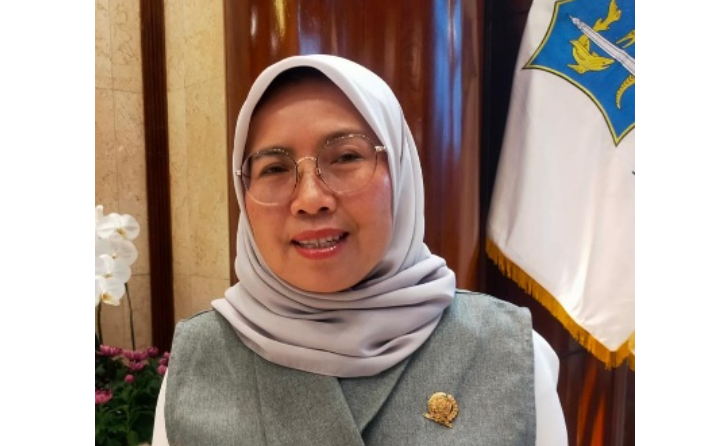
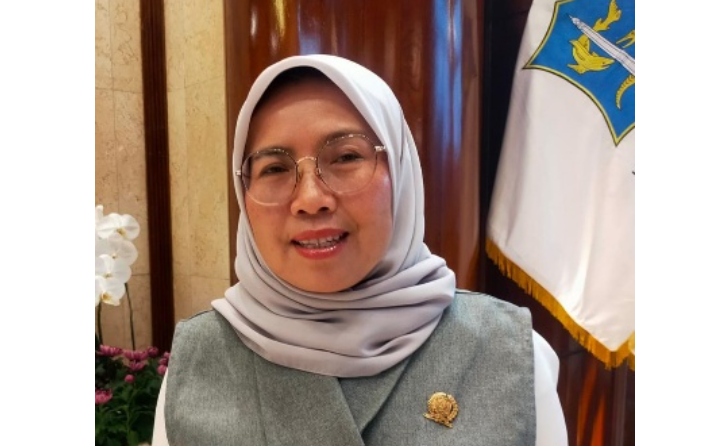
SURABAYA – Member of Commission B of the East Java DPRD, Ro’aitu Nafif Laha, stated that the adoption of Artificial Intelligence (AI) could become an effective instrument in assisting farmers to cope with prolonged drought resulting from extreme El Niño conditions.
“I strongly encourage the implementation of AI in East Java’s agricultural sector, as it can support agricultural growth in Indonesia while ensuring its long-term sustainability,” said the Gerindra Party legislator on Monday (13/04/2026).
The legislator representing the electoral district of Kediri City and Regency explained that AI technology is capable of detecting crop pests and diseases, optimizing land productivity, and automating crop maintenance processes more efficiently.
Furthermore, Nafif noted that intelligent AI-based systems are also able to map distribution routes and conduct predictive analysis regarding future food availability.
“Farmers will certainly benefit greatly from the implementation of AI technology,” she remarked.
In practical application, farmers may utilize AI-based sensors to monitor soil moisture levels in real time. This system enables more efficient water usage amid limited water resources caused by prolonged dry seasons.
In addition, the use of AI-powered drone spraying technology and aerial sensors can identify crops experiencing stress or pest infestations due to extreme temperature changes, allowing mitigation measures to be carried out more rapidly and accurately.
AI systems are also capable of analyzing crop data to provide tailored fertilization recommendations based on actual field conditions, thereby reducing operational costs amid the economic challenges arising from the El Niño phenomenon.
The Ministry of Agriculture (Kementan) has allocated funding and intensified the implementation of smart technologies and water management strategies to mitigate the impacts of extreme drought (El Niño) projected for 2026.
The government’s primary policy focus includes the modernization of irrigation systems and the implementation of smart farming practices in order to maintain national food security. These measures are in line with the East Java DPRD’s commitment to accelerating agricultural modernization.
The policy framework is also closely linked to efforts aimed at protecting agricultural land from conversion to non-agricultural use, as well as providing incentives for farmers. Moreover, the adoption of agricultural technology is expected to encourage the regeneration of young farmers through a more digitally oriented approach.