
The East Java DPRD Highlights Suboptimal Performance of Marine and Fisheries Agency
Commission B of the East Java Regional House of Representatives (DPRD Jatim) has assessed that the performance of the East Java Marine and Fisheries Agency (DKP Jatim) remains suboptimal. The continued use of cantrang fishing gear, unresolved conflicts among fishermen, and the lack of improvement in fishermen’s welfare persist despite high production levels.



Commission B of the East Java DPRD has drawn attention to the performance of DKP Jatim, which is considered to still face a number of fundamental issues, even though the agency has been allocated a relatively substantial budget for fiscal year 2026.
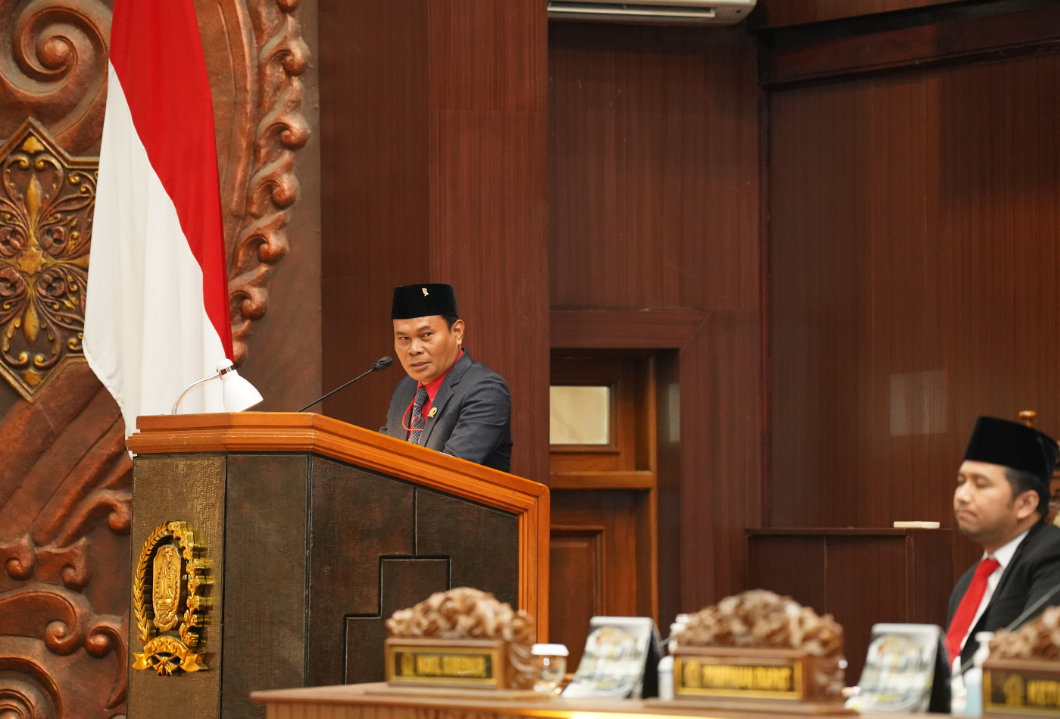
Member of Commission B DPRD Jatim, Muhammad Mughni, revealed that DKP Jatim has received a budget allocation of Rp189.36 billion in the 2026 Regional Revenue and Expenditure Budget (APBD) following efficiency measures, representing a 28.54 percent decrease from the indicative ceiling set out in the 2026 KUA–PPAS.
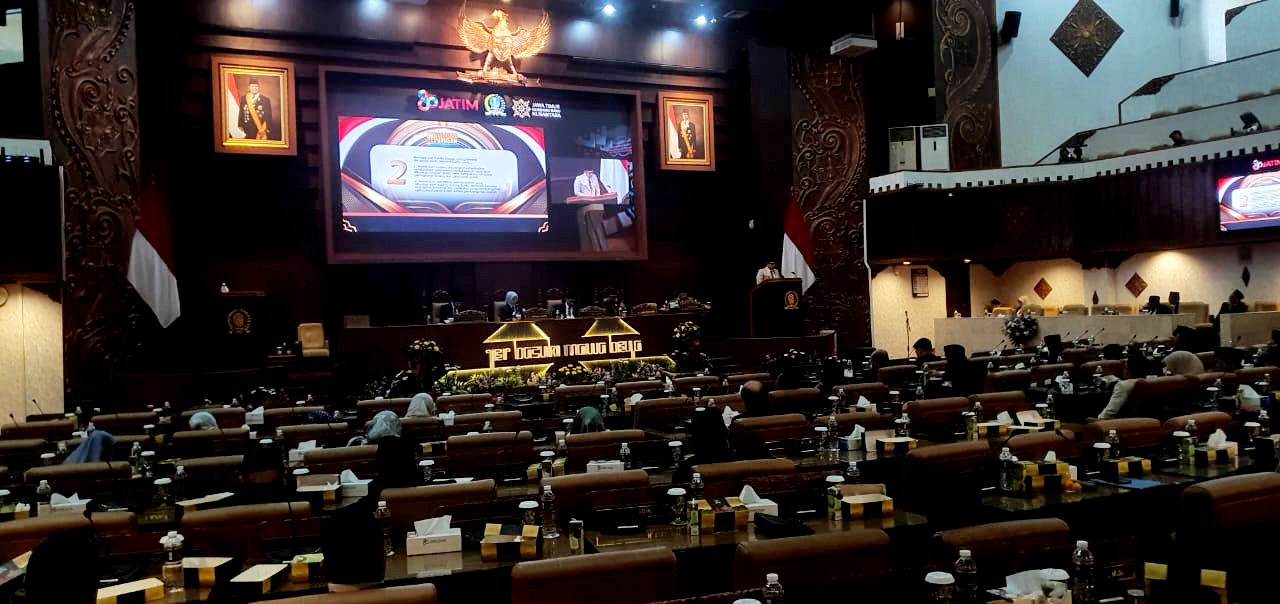
“The effectiveness of DKP’s program implementation is a serious concern for us. Supervision of the use of prohibited fishing gear such as cantrang remains weak and has yet to address the root of the problem on the ground,” Mughni stated during the East Java DPRD Plenary Session on the deliberation of the Draft Regional Regulation (Raperda) on the 2026 East Java APBD, Monday (03/11/2025).
Weak Supervision and Ongoing Fishermen Conflicts
Mughni explained that the use of cantrang fishing gear remains widespread in various regions, including Sidoarjo, Gresik, Pasuruan, Probolinggo, Situbondo, Malang, Madura, and Lamongan. As a result, marine ecosystems have suffered severe damage, requiring an estimated 15–20 years to recover.
In addition, conflicts among fishermen on Masalembu Island have yet to be resolved. These conflicts involve local fishermen and fishermen from outside the area who operate cantrang gear.
“Fishermen’s groups have repeatedly come and held hearings with DKP Jatim to request the construction of an Integrated Maritime Security Post (Poskamladu), but to date this has not been realized,” he emphasized.
This situation underscores the importance of strengthening supervision and governance of fishing activities in conflict-prone areas, not only in Masalembu but also in other coastal regions with similar potential risks.
Fishermen’s Welfare Not in Line with Production Levels
According to data from the Ministry of Marine Affairs and Fisheries as of September 2025, East Java’s Fishermen’s Terms of Trade (NTN) stood at only 97.38, still below the ideal benchmark of 100.
“It is ironic that East Java is the province with the highest capture fisheries production in Indonesia, yet this has not been accompanied by an improvement in the welfare of our fishermen,” Mughni remarked.
Similar issues are also evident in the smallholder salt subsector. Salt production is highly dependent on weather conditions, while price fluctuations often result in losses for salt farmers. The industry is also reluctant to absorb local salt due to NaCl content below 94 percent, weakening the competitiveness of smallholder salt products.
Commission B DPRD Jatim Recommendations for DKP Jatim
Commission B of the East Java DPRD put forward a number of strategic recommendations to DKP Jatim to ensure that policies and programs deliver tangible impacts for coastal communities:
1. Urging the construction of Integrated Maritime Security Posts (Poskamladu) in several conflict-prone areas among fishermen.
2. Strengthening supervisory functions over prohibited fishing gear and the misuse of subsidized fuel.
3. Ensuring that programs for the protection and empowerment of fishermen and fish cultivators are well targeted.
4. Enhancing the sustainable productivity of household-scale fisheries.
5. Optimizing assistance, training, and quality certification for smallholder salt farmers.
“We encourage DKP to focus not merely on administrative outputs, but on real impacts for fishermen’s welfare and marine sustainability,” Mughni concluded.